Based in the Twin Cities, the Superior Kayak & Outdoor Adventure Club (SKOAC) is a group of paddlers dedicated to fostering a supportive educational environment for those interested in sea kayaking and other outdoor endeavors.
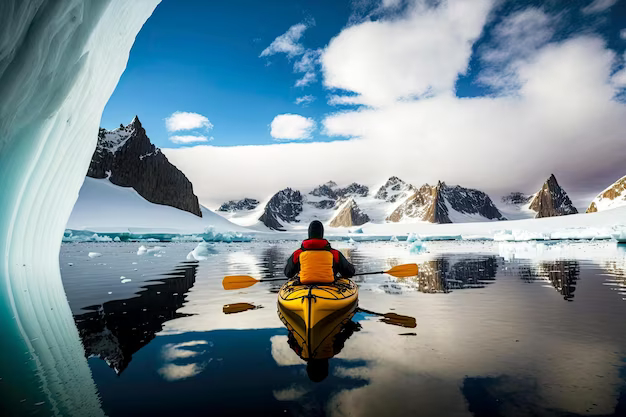
The club’s mission is two-fold:
- To provide low cost, practical training and experience to members through mentoring, skill workshops, occasional pool sessions, and club-sponsored trips.
- To provide area paddlers with a community in which they can meet and befriend other paddlers with similar interests.
- This club is a cooperative endeavor. It will continue to thrive as long as members commit themselves to contribute to the club activities.
Club communications are all via email from skoac.org or general information via the website.
Email from Skoac.org – You will automatically receive club emails as long as you provide us an accurate email address with your club waiver document. Please be sure to add the skoac.org ID to your spam filter or email list so you don’t miss out on SKOAC emails. Please notify us if your email address should change.
Website – Please be sure to come back and check out our website to keep informed of club activities and events. In addition to new postings of events and upcoming trips, photos and trip reports are regularly added to this site. It is a great source of general information as well.
The depth of experience within the club is significant. Club members have written kayak guidebooks, completed significant open water crossings and completed trips of almost 1,000 miles in length. Many of our members have paddled throughout North America. Collectively we have many decades of kayaking experience so please make sure you take advantage of it.
The club offers a full-day ACA Basic Strokes and Rescues class each June where we do charge a modest fee for an entire day of instruction. Although taking this instruction is a great way to get started in the sport, it is not always necessary. You can learn from other club members by joining us for periodic skills sessions or social paddles and participating in club trips and activities. We also offer other opportunities such as the Introduction to Lake Superior Touring class and informal instruction opportunities on the lake or in the pool sessions.
Classes and workshops are a great way of getting started and learning some of the basic skills but for depth of experience nothing compares to spending time on the water doing trips!
We have all benefited from the friendships and informal mentoring provided by other club members. We strive for a club culture conducive to such mentoring so feel free to ask experienced members for help with learning new paddle skills or planning a trip. All we ask in return is that you contribute to the club as you can by befriending new members, organizing trips as you gain experience and participating in club activities.
If you have any comments or questions about the club, please contact us at: [email protected]
Our partner

Bstcasinos – Ease of bank transfers in online casinos. Best Bank Transfer Casinos of 2023 – Fast and Secure Deposits!